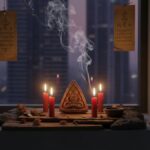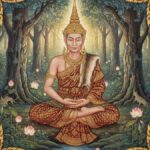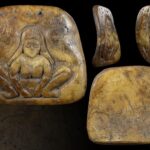
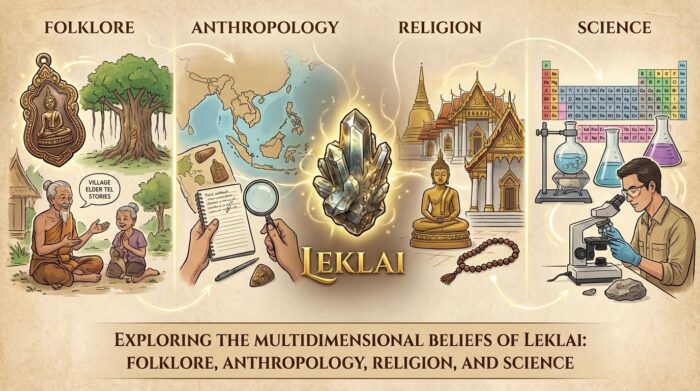
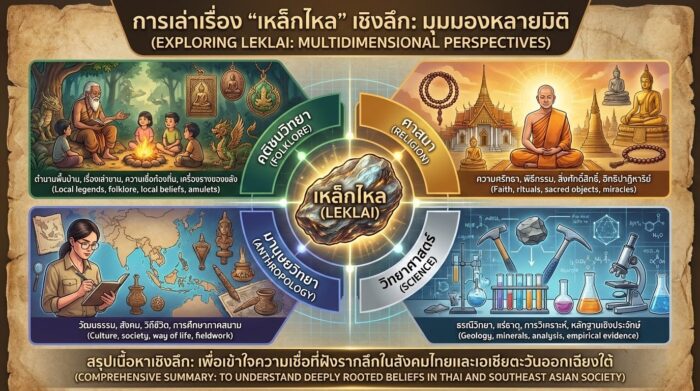
In Thailand’s Occult and Animist Traditional Belief system, which is deeply interwoven into Thai Buddhism, there exists a mystical substance that has captured the imagination of believers and seekers alike for centuries: Lek Lai (เหล็กไหล). This enigmatic material, often referred to as the “Sacred Kaya Siddhi Adamantine Substance,” is steeped in ancient legend and attributed with miraculous powers that defy rational scientific explanation.
Origins and Elemental Spirits
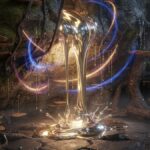
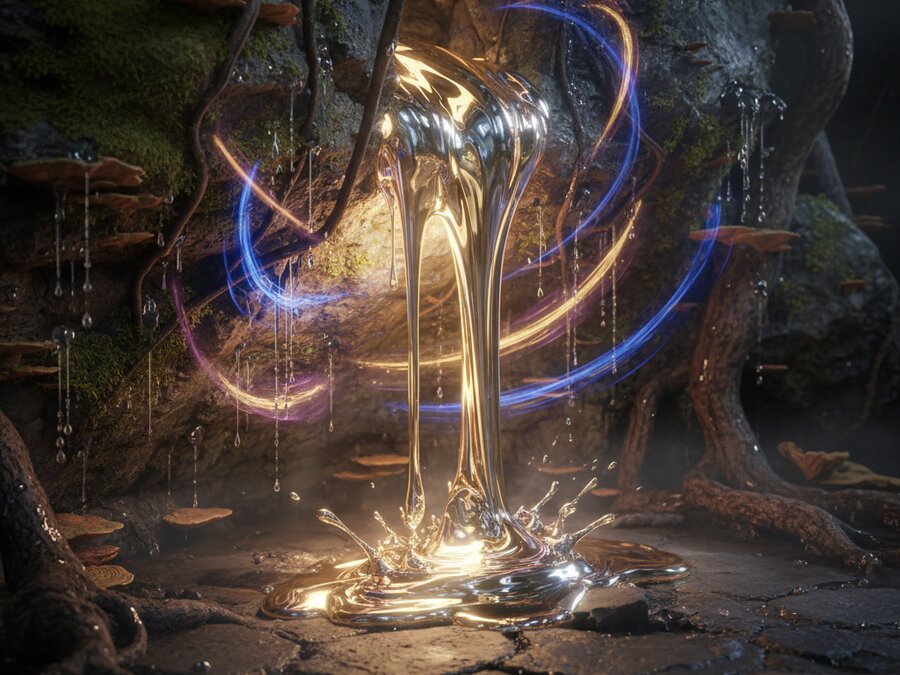
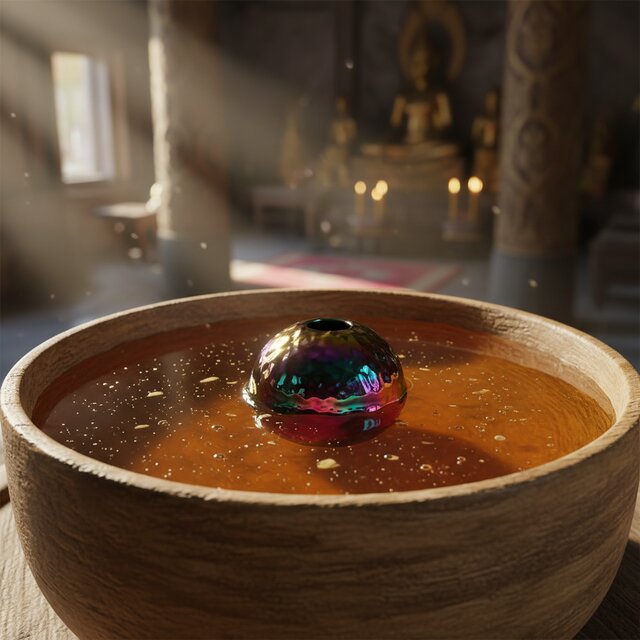
Lek Lai is known for its oily, metallic, and shiny surface that reflects light, displaying various colors and iridescences depending on its elemental class. It is believed to reside within the walls of cool, damp caves deep within impenetrable jungles. While Lek Lai can remain in a static, solid rock form, it also possesses the magical ability to slither, stretch, and move like a liquid snake, appearing and disappearing at will.
This mysterious substance is not simply a mineral; it is a living entity. Thai occultism dictates that Lek Lai contains the spirit or mind of a powerful Ruesi (Hermit Sage) or an elemental Deva (such as a Khon Tan or Gandharva). These elemental angels are driven to manifest in the physical realm to build merit (Baramee) by protecting the righteous.
The Miraculous Powers of Kaya Siddhi
The purported powers of Lek Lai are as diverse as they are awe-inspiring. Due to its high-frequency energy field, it is said to possess the ability to block energy fields, waves, and even render gunpowder damp and guns ineffective in its presence (Maha Ud). Lek Lai can transform hot boiling water into cold in an instant, emit a fragrant floral aroma, and heal illnesses or venomous stings when laid upon the affected area.
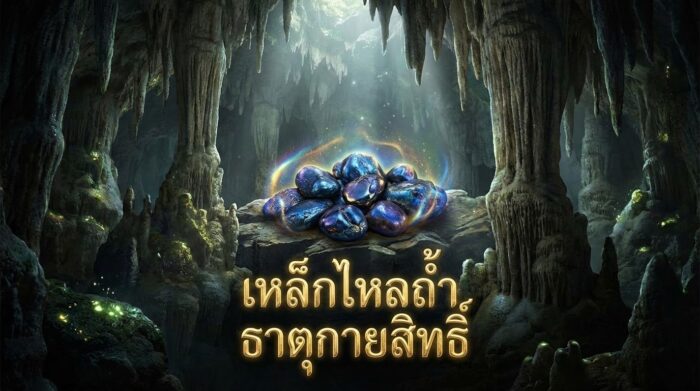
There are numerous classes of Lek Lai, such as Lek Lai Suriyan Racha (Sun King), Lek Lai Umaru, and Lek Lai Go Ti Pi (Million Year Old Lek Lai). Some magnetic forms are known to levitate or attract each other across distances, displaying properties that traditional physics struggles to classify.
The Ritual of Extraction (Dtat Yen vs Dtat Rorn)
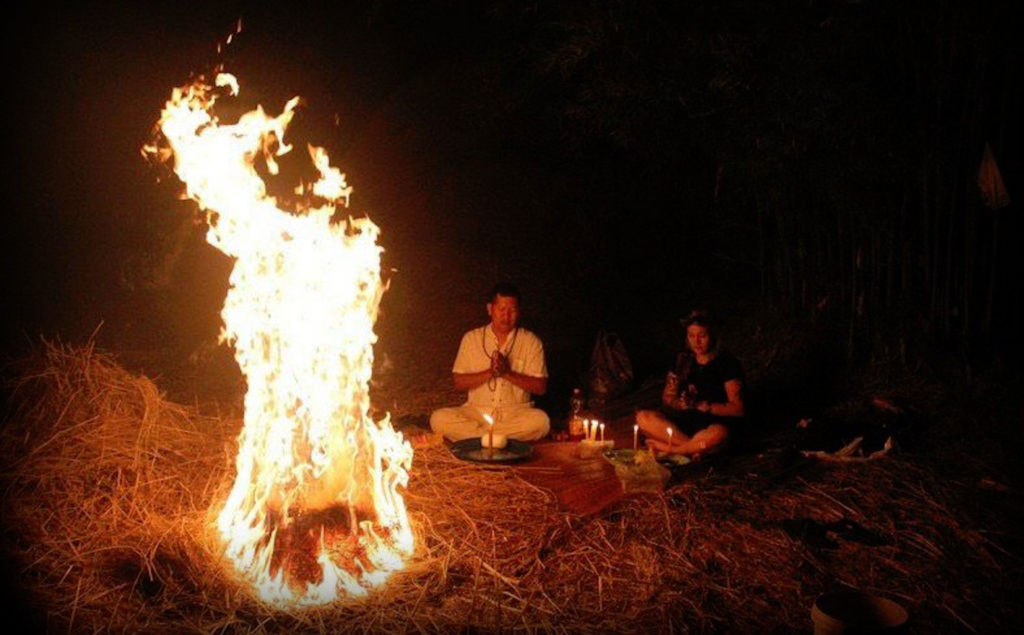
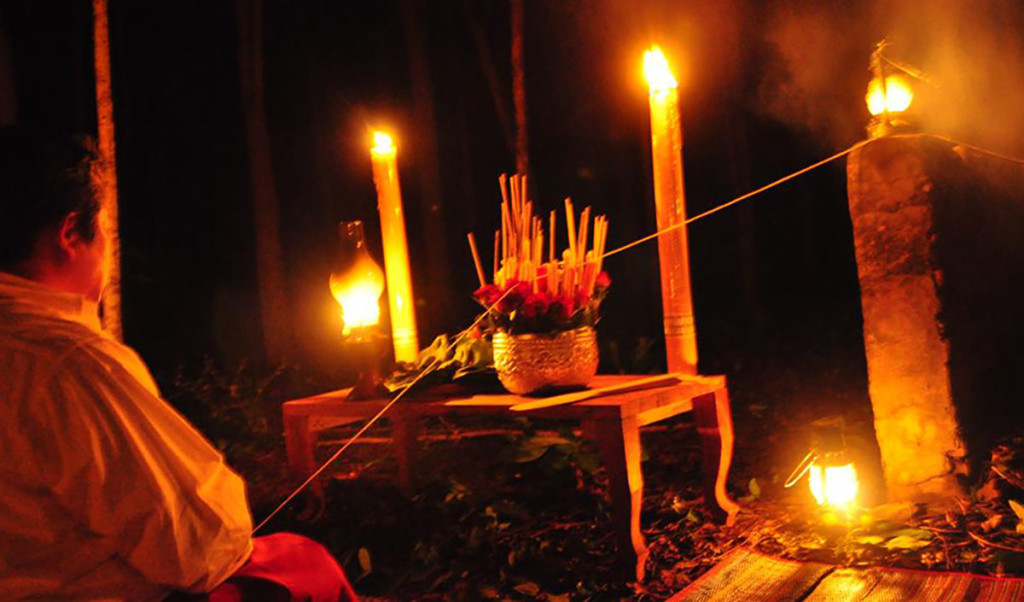
The extraction of Lek Lai is an incredibly dangerous and ritualistic process, strictly performed by advanced practitioners known as Kroo Ba Ajarn. The spirit within the cave must be invoked and fed pure wild honey (Kina Nam Peung) to coax the adamantine substance out from the rock face.
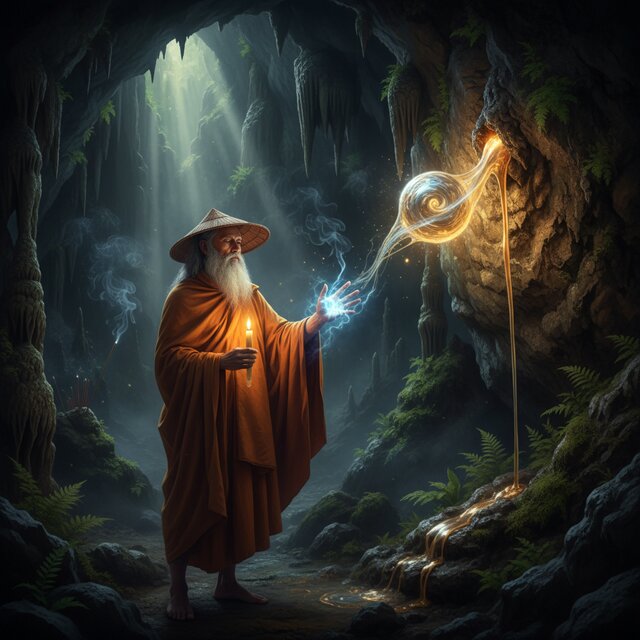
There are two primary methods of extraction: Dtat Yen (cold cutting) and Dtat Rorn (hot flame). In the incredibly rare and highly prized Dtat Yen method, the Lek Lai is coaxed out using pure psychic power and the invocation of the Ruesi. The master “cuts” the liquid metal ceremonially using only a weak candle flame or a strand of a virgin’s hair. This yields perfect, smooth Lek Lai beads resembling pearls, which harden instantly upon dropping into a bowl of honey.
Alternatively, the Dtat Rorn method involves heating the stone nest containing Lek Lai with a blazing hot flame or torch to melt the substance out. This method produces Lek Lai with flatter, more jagged surfaces due to the molten substance falling onto a waiting steel tray. While still powerful, Dtat Rorn Lek Lai is considered less ritually pure than its Dtat Yen counterpart.
Cultural Significance and Karma
Ajarn Spencer Littlewood, a respected figure in the realm of Thai amulets, has continuously stressed the need for compassion and profound respect when handling Lek Lai. It is not merely a bulletproof vest; it is a sentient spiritual companion. If the wearer breaks the Five Precepts (Sin Haa), the Lek Lai may simply vanish, slipping away into the earth to return to its cave.
Written by Ajarn Spencer Littlewood
buddhamagic.net