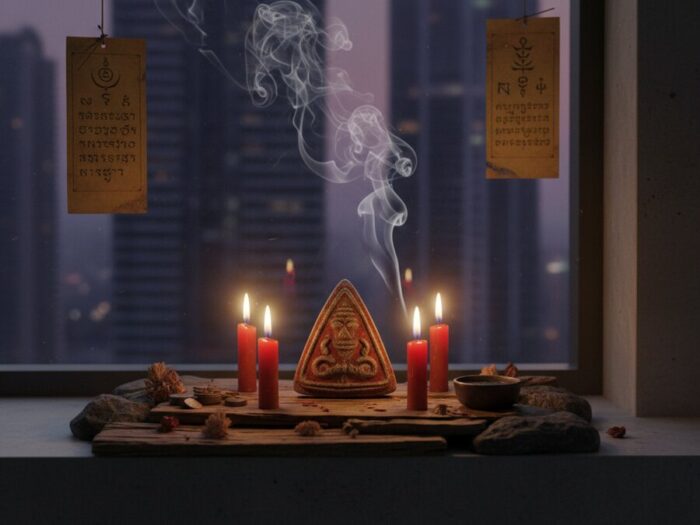
In a high-rise condominium overlooking the chaotic sprawl of Sukhumvit Road, Bangkok, an entrepreneur sits before a small, ornate altar. Amidst the scent of sandalwood and the flicker of red candles sits a small, triangular clay tablet—a Phra Ngang. We are not looking at a dying tradition; we are looking at the evolution of a dark, forgotten history that refuses to stay buried.
I. The Angkorian Blueprint: Statecraft as Sorcery
To understand the modern Thai amulet, one must first look at the ruins of Angkor. The Khmer Empire (802–1431 CE) was not merely a political entity; it was a sprawling, stone-carved ritual. The Khmer kings were Devarajas (God-Kings), but their power was anchored in something far older than Hindu imports: the Neak Ta, the territorial spirits of the soil and the ancestors who inhabited it.
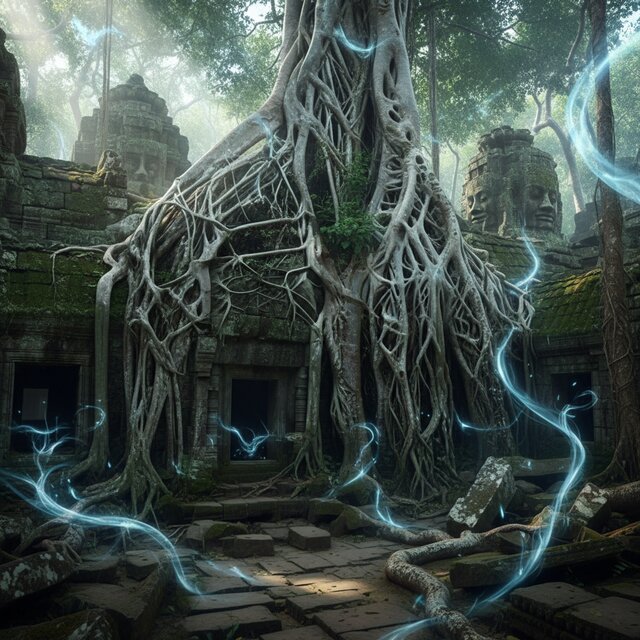
The “blueprint” of Khmer necromancy was born from the necessity of binding these spirits to the service of the state. In the Angkorian worldview, the dead were not gone; they were the ultimate landowners. To build a temple or expand a kingdom, one had to negotiate with the spirits of the deceased. This led to the development of “bone-binding” techniques.
Archaeological evidence and oral traditions suggest that the foundations of Khmer temples were often “consecrated” with organic remains—not necessarily as human sacrifice in the Hollywood sense, but as a way to “anchor” a protective spirit to a specific geographic coordinate. This is the origin of the metaphysical anchor: the belief that a fragment of the physical body (bone, hair, or ash) serves as a bridge, a permanent “phone line” to the consciousness of the departed.
II. The Great Migration: From Necropolis to Forest
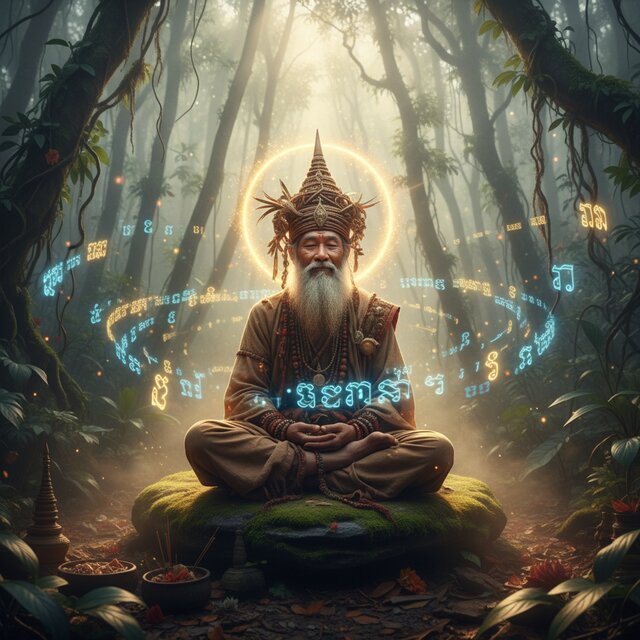
When the Khmer Empire collapsed in the 15th century under the pressure of the rising Thai kingdoms of Sukhothai and Ayutthaya, the master sorcerers—the Arjan and the Lersi—did not simply vanish. They migrated.
As the physical capital of Angkor was reclaimed by the jungle, the “intellectual capital” of Khmer sorcery was carried into the borderlands. These masters took refuge in the thick forests of the Isan region (Northeast Thailand) and the Cardamom Mountains. Here, the raw, state-level necromancy of Angkor was “miniaturized.”
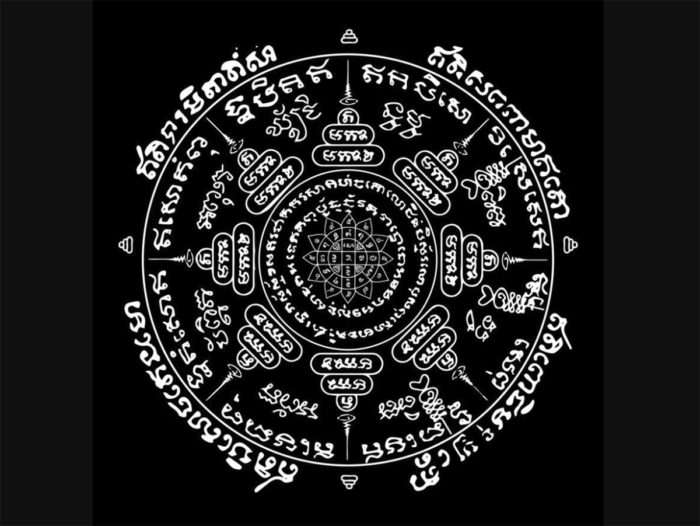
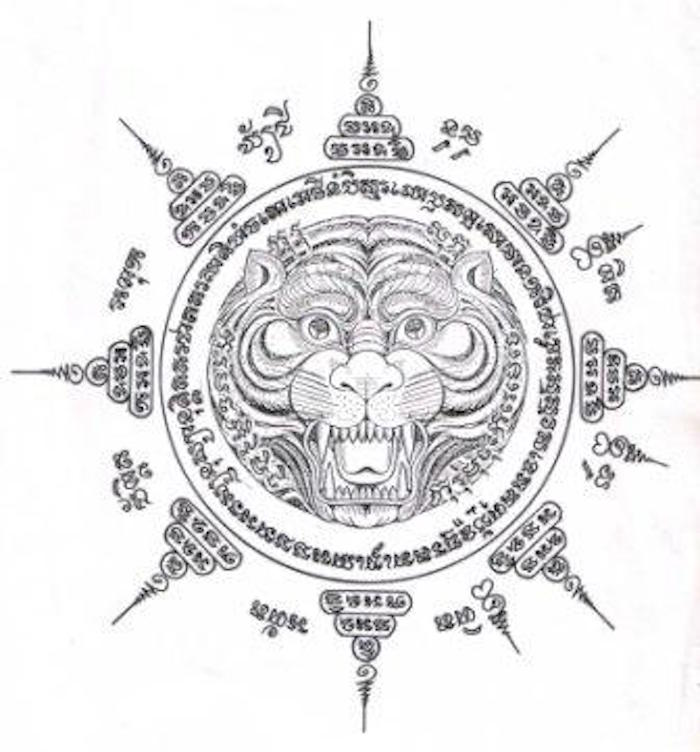
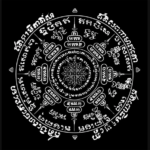
The massive stone lingams and mountain-temples were replaced by portable artifacts. The “territorial spirit” bound to a temple was now bound to a small piece of carved bone or a mixture of sacred powders. This transition was crucial. It transformed necromancy from a tool of kings into a tool of the individual. The Wicha became a hidden curriculum, passed down in the Krom (manuscripts) written in the sacred Khmer Khom script—a script that many modern Thai practitioners use today without actually speaking the Khmer language.
III. The Anatomy of Empowerment: Biological Anchors
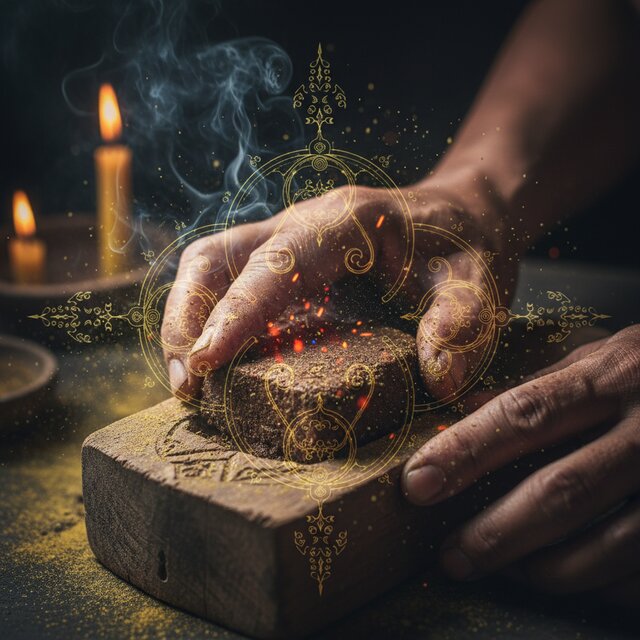
Modern Thai amulets are often classified into two categories: Phra (Buddha-based) and Kruang Rang (Occult/Animist). It is in the latter that the Khmer blueprint is most visible. The “sophisticated metaphysical tools” of the modern era rely on a specific biological component.
Anthropologically, the use of Naman Prai (corpse oil) or Phong Phrai Kuman (child ghost powder) is frequently misunderstood as “black magic” for its own sake. In reality, it is a technical requirement of the Khmer blueprint.
The theory is as follows: A spirit requires a “base” in the physical world to exert influence. Just as a radio requires an antenna to catch a signal, a metaphysical entity requires a biological resonance. Calcified remains—specifically those from individuals who died in a “high-energy” state (sudden or violent deaths, known as Tai Hong)—are believed to retain a residual “life force” or Prana.
When a modern master like the late Luang Phor Tim of Wat Lahan Rai created his famous Prai Kuman powders, he was using a refined version of the ancient Khmer technique. By processing these remains through fire and specific acidic herbs, the “raw” ghost is “refined” into a specialized servitor. The amulet is no longer just a symbol; it is a battery.
IV. The Software: Katha and the Activation of Energy
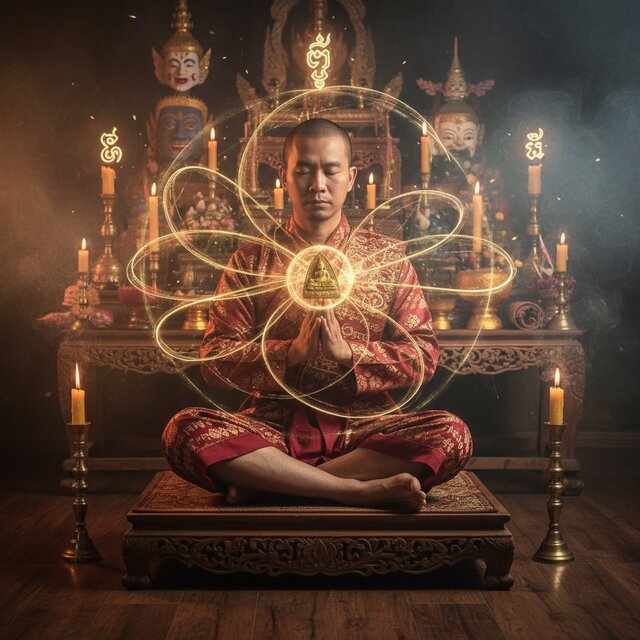
If the amulet is the hardware and the organic remains are the battery, then the Katha (incantations) are the software.
The Katha used in Thai-Khmer rituals are often a hybrid of Pali, Sanskrit, and archaic Khmer. These are not merely prayers; they are vibrational commands. Deconstructing these chants reveals a logic of “naming and taming.”
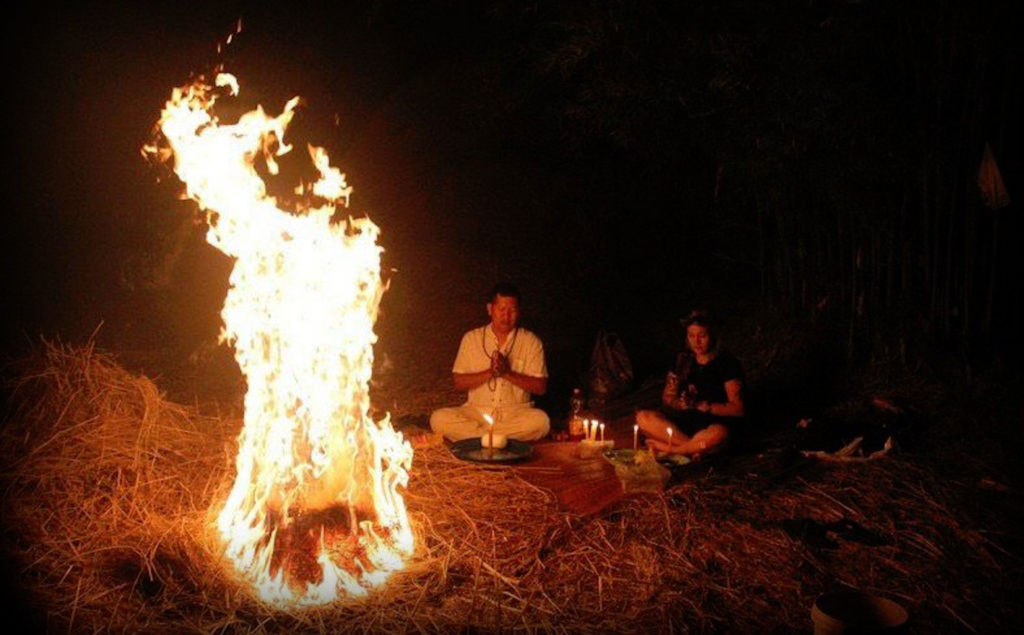
The ritual process usually involves three stages:
1. Extraction: Calling the spirit from its place of rest.
2. Purification: Using the “Fire of Concentration” (Tejo Kasina) to strip away the spirit’s worldly trauma.
3. Binding: Using the “Golden Thread” of the Katha to lock the spirit into the physical object.
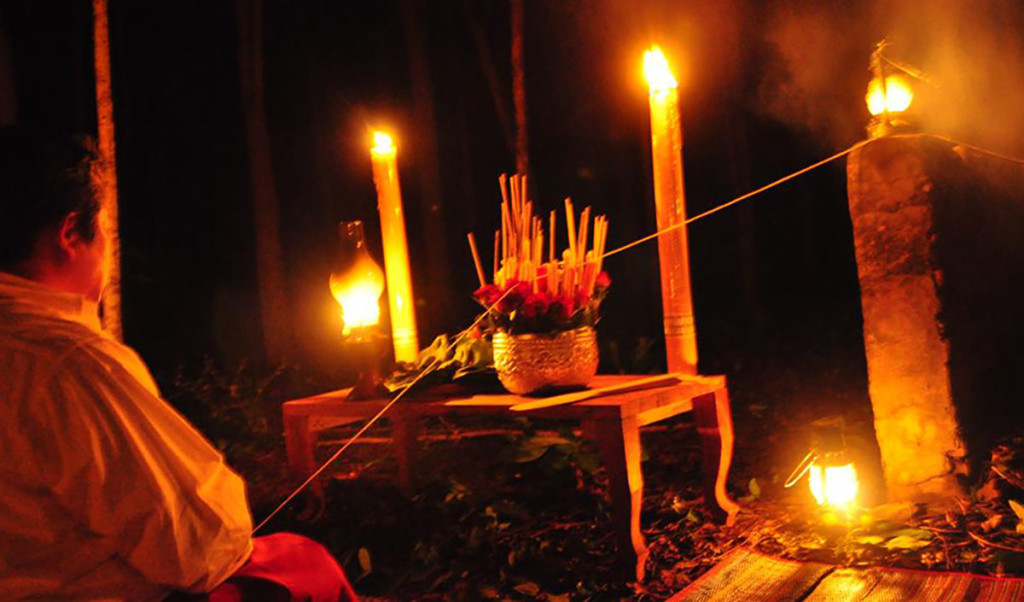
One of the most potent rituals is the “Breath of Life” (Prana Pratishta). The practitioner holds the amulet between their palms, entering a deep meditative state. They visualize their own life force flowing into the object, “waking” the resident spirit. This is the moment of activation. To the practitioner, the amulet is now “alive.” It has a pulse. It has a “mind.”
V. Case Study: The Phra Ngang
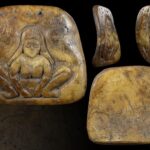
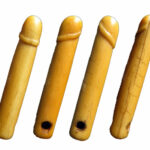
The Phra Ngang is perhaps the most iconic example of the Khmer-Thai metaphysical bridge. Often depicted as a hooded figure with red eyes and a curved topknot, the Ngang is a “trickster” deity of Khmer origin.
In ancient Cambodia, the Ngang was likely a mountain spirit or a protective warrior deity. As it moved into the Thai esoteric system, it became the ultimate “multi-tool.” Unlike the Buddhist monks who represent “high” morality, the Ngang is a “low” spirit. It is unconcerned with the Five Precepts. It is used for Maha Saney (extreme attraction), Metta Mahaniyom (popularity), and Kong Grapan (invulnerability).
The “addictive” nature of the Ngang comes from its perceived responsiveness. In Thai folk belief, the Ngang must be “fed” with offerings—liquor, cigarettes, and sometimes raw meat. This creates a symbiotic, almost transactional relationship between the human and the spirit. It is a modern manifestation of the ancient Khmer contract with the Neak Ta: “I provide you with a physical home and sustenance; you provide me with protection and prosperity.”
VI. Social Anthropology: The Market for the Miraculous
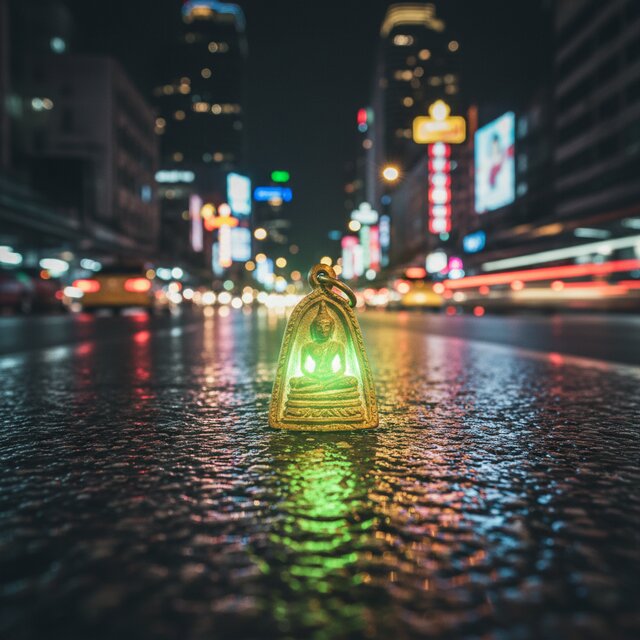
Why does this “dark, forgotten history” thrive in the 21st century? The answer lies in the social anxiety of modern life.
In a world of globalized markets and precarious employment, the traditional Buddhist path of “letting go” is often at odds with the modern need to “get ahead.” Khmer necromancy offers a solution. It provides a sense of agency. If you are a street food vendor in Bangkok or a stockbroker in Singapore, the belief that you possess a 1,000-year-old “force multiplier” in your pocket provides a psychological—and, the practitioners would argue, metaphysical—edge.
The amulet market in Thailand is a multi-billion baht industry. It is a place where archaeology, religion, and capitalism collide. The “Khmer-ness” of an amulet is often its primary selling point. It denotes “raw” power, an unfiltered connection to a time before “civilized” Buddhism smoothed over the jagged edges of the spirit world.
VII. The Ethics of the Unseen
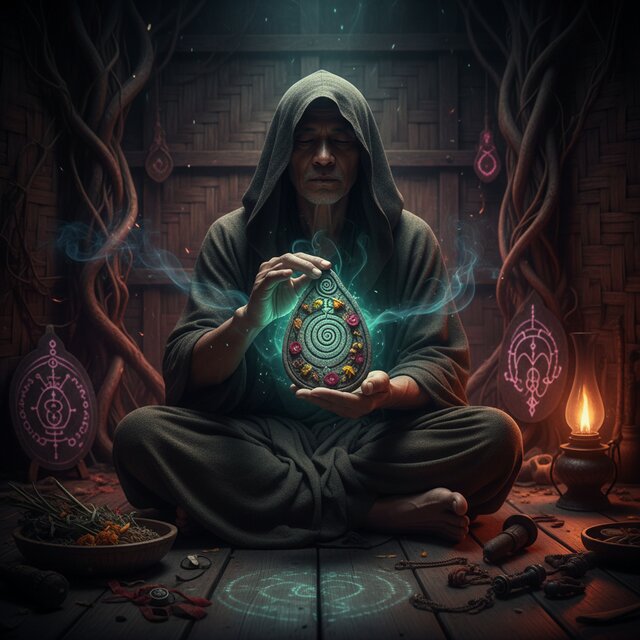
One must ask: is this “black magic”? In the Thai-Khmer tradition, magic is rarely viewed in binary terms of “good” vs. “evil.” Instead, it is viewed in terms of merit and consequence.
The masters who create these amulets often emphasize that the spirit bound within is a “partner” in merit-making. By helping the owner, the spirit gains merit, allowing it to eventually move toward a better rebirth. However, the “dark” reputation remains. The extraction of Naman Prai is now illegal and socially stigmatized, leading to a shift toward “synthetic” or “herbal” substitutes that claim to mimic the vibrational frequency of the original Khmer necromancy.
Yet, in the shadows of the border provinces, the old ways persist. There are still Arjans who claim to know the “True Name” of the wind and the “Bone-Binding” chants that haven’t changed since the reign of Jayavarman VII.
Conclusion: The Persistence of the Primordial
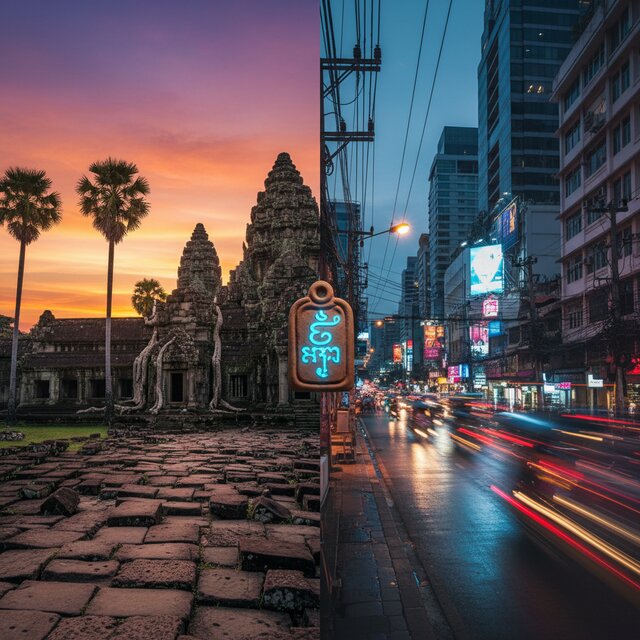
The Khmer Empire did not die; it simply changed state. It evolved from a kingdom of stone into a kingdom of spirit, housed within the clay and bone of the Thai amulet.
By deconstructing these rituals, we see that the “metaphysical bridge” is built on a foundation of human psychology and ancient biology. The obsession with ancestral magic and spirit binding is a testament to our refusal to accept the finality of death.
As the sun sets over the ruins of Angkor and the neon lights of Bangkok flicker to life, the Katha begins again. A practitioner whispers into a small, carved piece of history, and somewhere in the unseen world, something wakes up. The Khmer necromantic blueprint is not a relic of the past; it is a living, breathing, and highly effective technology of the present. The ancient dead are still here, and they are open for business.
Epilogue: The Ritual Continues
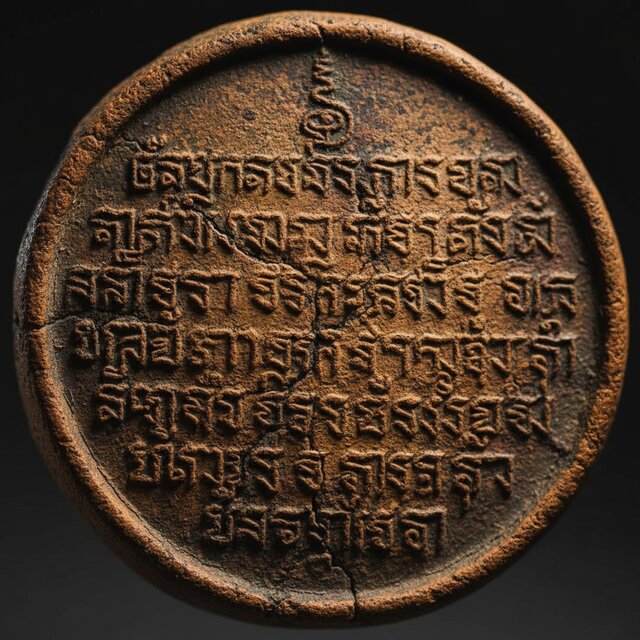
The next time you see a Thai amulet, look closer. Notice the Khom characters etched into the back. Smell the faint, earthy scent of the “sacred mass.” You are not looking at a charm. You are looking at a fragment of a lost empire, a piece of sophisticated metaphysical “hardware” that has survived the fall of kings, the rise of nations, and the arrival of the internet. The bone-binders of Angkor are still at work, and the “Breath of Life” is as potent today as it was a thousand years ago.
Written by Ajarn Spencer Littlewood
thailandamulet.net